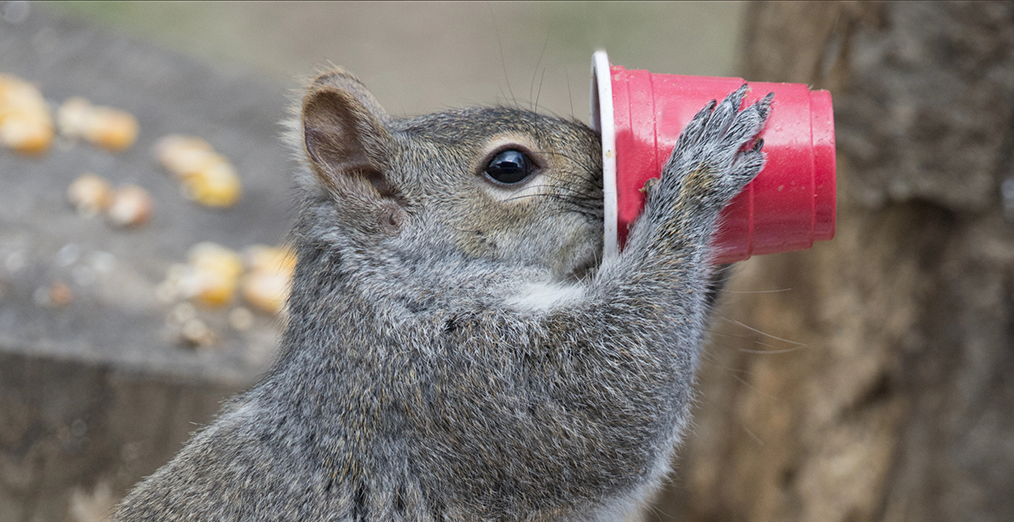
WHAT IT IS:
Squirrel watching is the recreation of observing nature’s twitchiest little weirdos as they scream silently, commit petty theft, and attempt parkour stunts they clearly weren’t trained for. Unlike birds, you don’t have to identify squirrel species.
Instead, assign them names based on visible trauma:
No tail? That’s Stubby
Limping? Meet Carl
Aggressively confident? CEO Greg
Reminds you of a dead relative? Aunt Barbra
WHAT YOU'LL NEED:
Vision (ideally both eyes, but we won’t gatekeep), a chair, porch, or patch of grass, binoculars (optional, borderline creepy), snacks (for you — or for them, if you’re trying to make frenemies)
PROS:
CONS:
PRO TIP: Start by watching from inside so they can’t sense your energy. They know things.
Difficulty Level: Very Low.
Requires only the ability to look out a window or sit on a bench. Advanced practitioners may squint slightly or lean forward.
Time Commitment: Variable / Unbounded
Ranges from 30 seconds (“Oh. There’s one.”) to several hours (“I think that’s the same squirrel.”). Often occurs unintentionally while avoiding something else.
Skill Transferability: Moderate
Applicable skills include: pattern recognition, patience under low stimulation, narrative projection onto indifferent subjects, enhanced tolerance for doing nothing while feeling mildly productive
These skills transfer well to people-watching, cloud-watching, and most meetings.
Cost Over Time: Negligible
No equipment required. Long-term costs may include: slight erosion of urgency, increased emotional investment in neighborhood wildlife, the eventual purchase of unsalted peanuts “just in case”
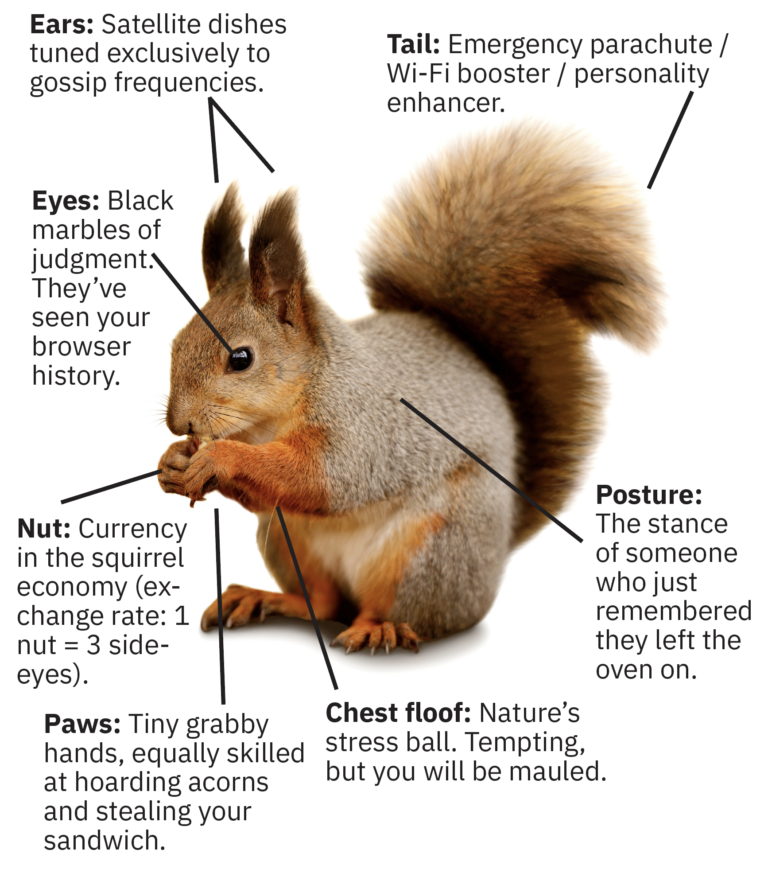
While not officially recognized as a squirrel watcher in his lifetime, Henry David Thoreau spent enough time standing around in the woods having observations that modern hobbyists have reasonably claimed him anyway.
Though best known for writing about ponds, solitude, and the moral importance of looking at things for a very long time, Thoreau almost certainly encountered multiple squirrels behaving in ways that were difficult to justify. Scholars believe he may have paused mid-reflection on nature to watch one descend a tree upside down for no clear reason.
While his published work stops short of assigning them names like Lieutenant Twitch or Broken Steve, the spirit is there.
In this sense, Thoreau helped establish the central principle of Squirrel Watching: that simply being outside, noticing chaos, and calling it meaningful is a perfectly legitimate use of one’s afternoon.