Below are several fun hobbies for lazy people that are widely practiced, require minimal energy, and are, for reasons that aren’t always clear, genuinely fun.
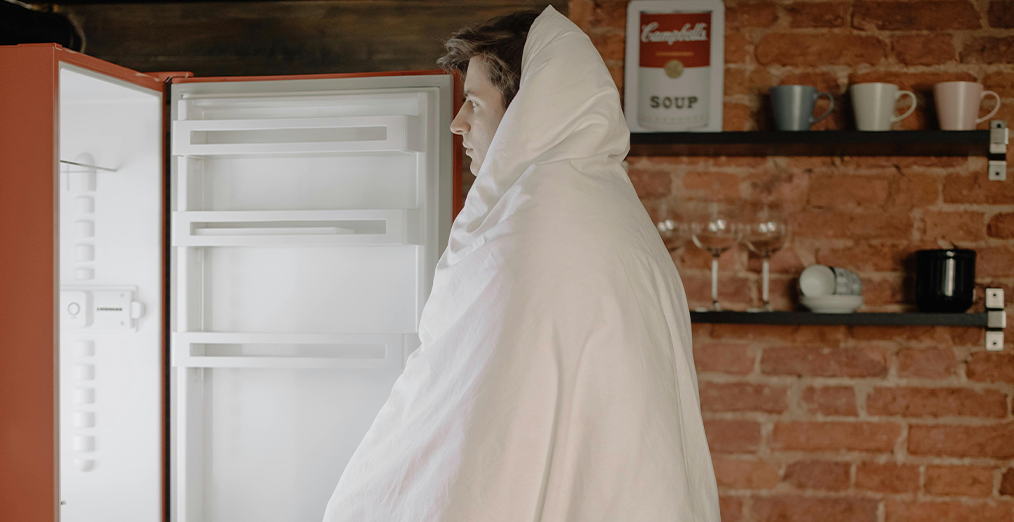
Fridge Checking
(aka Refrigeration-Based Hope Cycling)
What it is:
Opening the refrigerator multiple times in short intervals, often without a plan.The contents remain largely the same, but the possibility of something new—or newly appealing—keeps the experience engaging.
Why it’s fun:
It introduces low-stakes anticipation into an otherwise stable environment.Advanced variation:
Opening the freezer immediately after, just in case.
Trash Stacking
(aka Garbage Jenga)
What it is:
Carefully balancing additional trash on top of a full trash can instead of taking it out.Each item becomes part of a temporary structure that may or may not hold.
Why it’s fun:
It adds tension and strategy to a task you are actively avoiding.Advanced variation:
Placing one final unstable item and stepping back to observe.
Squirrel Watching
(aka Backyard Character Development)
What it is:
Observing squirrels as if they are individuals with personalities, motivations, and ongoing disputes.No equipment is required. The narrative develops naturally.
Why it’s fun:
It turns random movement into an unfolding story.Advanced variation:
Assigning names and forming long-term opinions about specific squirrels.
Repositioning Yourself Without Getting Up
(aka Micro-Adjustment Recreation)
What it is:
Shifting your position slightly—on a couch, chair, or bed—in pursuit of a more optimal state of comfort.This can continue for extended periods, with each adjustment bringing you closer to an ideal that may not exist.
Why it’s fun:
It offers continuous improvement without escalation.Advanced variation:
Using nearby objects (pillows, blankets) without fully committing to a new setup.
Scrolling With Purpose
(aka Directed Wandering)
What it is:
Opening an app with a vague intention, then following content wherever it leads.The original goal is often forgotten. The experience becomes the point.
Why it’s fun:
It provides constant novelty with no required direction.Advanced variation:
Briefly remembering what you meant to do, then continuing anyway.
Checking the Time Repeatedly
(aka Temporal Monitoring)
What it is:
Looking at the time, looking away, and then checking again shortly after.Often occurs when waiting for something, or when mildly aware that time is passing.
Why it’s fun:
It creates a subtle sense of progression without needing to act on it.Advanced variation:
Checking the time on multiple devices for confirmation.
Letting the Situation Resolve Itself
(aka Passive Outcome Management)
What it is:
Choosing not to intervene in a minor situation and observing what happens instead.This may include unanswered messages, small responsibilities, or unclear decisions.
Why it’s fun:
It introduces unpredictability while conserving effort.Advanced variation:
Revisiting later to see if the issue resolved on its own.
A Note on Fun
Fun does not always come from intensity.
Sometimes it comes from repetition, familiarity, and small variations within a stable environment.These hobbies work because they don’t demand much.
They leave room for you to enter and exit without commitment.And in many cases, that’s what makes them sustainable.