
WHAT IT IS:
Before the oppressive reign of logic, evidence, and “please cite your sources,” universities across the globe proudly funded speculation teams. These were not nerdy debates. These were full-contact, pipe-smoking, elbow-patched guess festivals.
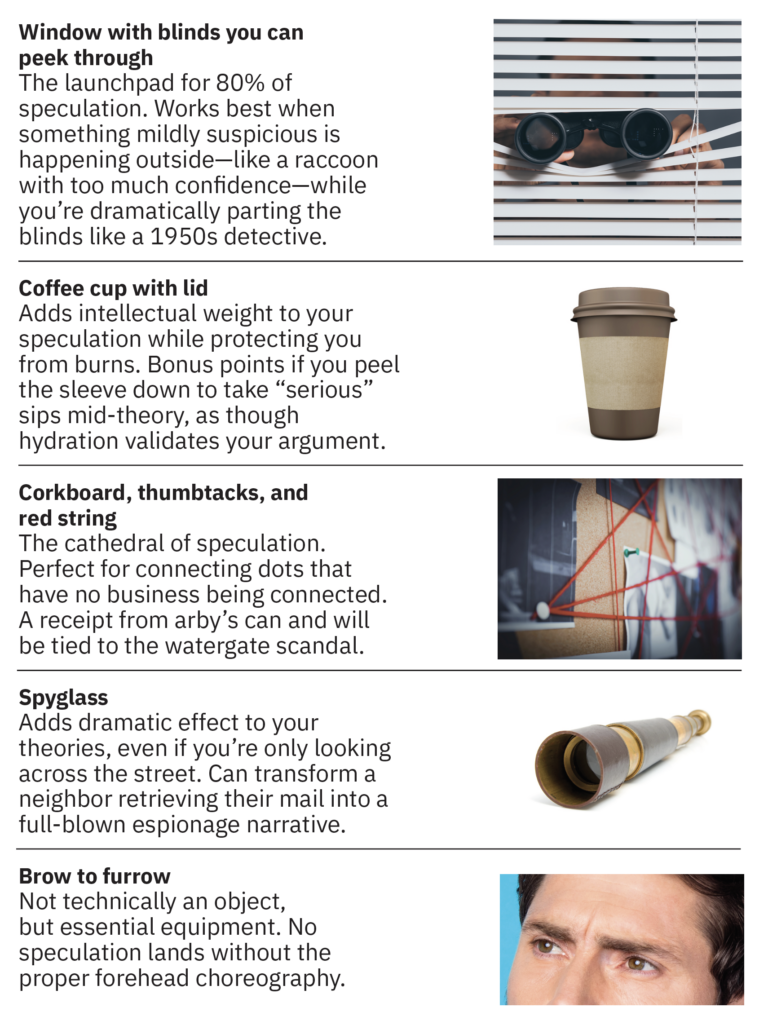
Speculating is the pastime of confidently connecting dots that may not even be in the same galaxy. It’s like consespiracy theorizing, but for people too lazy to read PDFs.
Without speculative geniuses boldly saying things like, “Maybe the moon is just God’s nightlight,” we’d have no science fiction, no Area 51 memes, and definitely no second dates.
PROS:
CONS:
PRO TIP: TSchedule your speculation for times when action is impossible. Airplanes. Waiting rooms. Lines that look fast but aren’t. This preserves speculation as a pure theoretical exercise instead of letting it degrade into “decision-making,” which is how people accidentally change their lives.To achieve peak chaos, sneeze.
Difficulty Level: Low–Moderate. Physically easy. Psychologically complex. Requires the ability to convince yourself “this is still fine.”
Time Commitment: Ongoing. Technically zero minutes per day. Emotionally present at all times.
Skill Transferability: Minimal. Useful only in other environments where neglect must be made to look intentional.
Cost Over Time: Deferred. Starts free. Eventually paid in bulk trash bags, late-night panic cleans, or one unusually long Saturday.
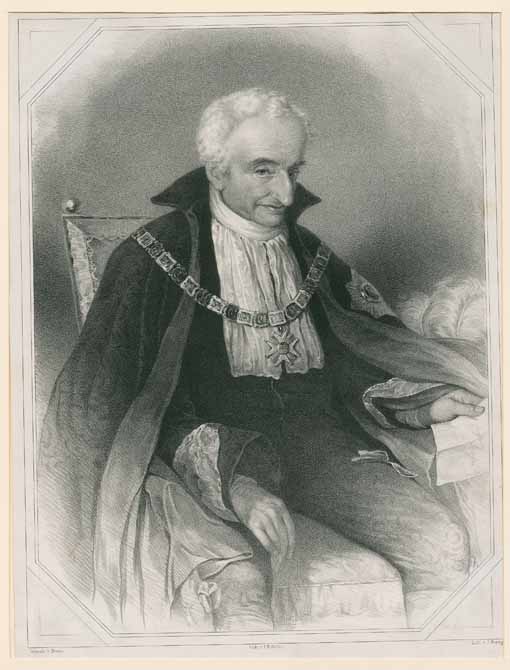
Speculating was first recorded in 1642 when Sir Ambrose Clatterford confidently declared that “comets are just angels dragging lanterns.” Though widely wrong, his boldness earned him tenure at the University of Guesses (later shut down for “academic shrugging”).
By the 1800s, speculation clubs flourished in cafés, where men in waistcoats debated whether steam engines ran on ghosts or whether Napoleon was simply three genets in a grey greatcoat.
Today, speculation thrives primarily on couches, in barbershops, and on internet forums where credentials are replaced by “strong vibes.”