
“Readiness cannot be rushed.”
— Otto Witzelman, Preparatory Notes, 1843
Energy Mustering is the slow, deliberate practice of gathering enough strength to maybe do something eventually.
It occupies the important buffer zone between deciding to do a task and actually standing up to begin it. This period is known as Pre-Task Readiness.
Pre-Task Readiness may last several minutes or most of the afternoon. During this time, the task remains active despite producing little visible evidence of progress.
Some people call this procrastination. They are confusing not doing something with getting ready to do something, which are completely different activities.
A skilled practitioner may spend 45 minutes sitting on the edge of the bed thinking about taking a shower, followed by another 20 minutes determining whether getting a towel would improve the likelihood of success.
None of this indicates that the shower has been abandoned. You are still very much planning to take it. You simply have not accumulated sufficient energy to begin.
A task that has been following you around all day
A vague but persistent sense that you should probably get started
One soft surface from which the task can be considered
Enough time to become almost ready
Optional: an emotional support beverage that must be finished before getting up
Keeps important tasks under active consideration
Allows you to experience the early stages of productivity without committing to the later ones
Provides valuable time to think through tasks you already know how to do
Makes standing up feel like a significant operational milestone
Occasionally results in actually doing something
Mustering itself requires energy. This creates one of the discipline’s central complications: preparing to expend energy may consume some of the energy being prepared for expenditure.
Extended sessions can therefore produce Potential Energy Debt, in which the practitioner becomes tired from preparing to begin and requires additional mustering before activity can safely proceed. The original task may also become less practical while preparation continues.
A shower considered at 4:30 is straightforward. The same shower at 11:47 may raise questions about hair drying, bedtime, noise, and whether tomorrow morning now represents a more responsible operating window.
This should not be mistaken for abandonment. The task remains active.
Its conditions have changed.
When a full transition to activity feels premature, put on socks.
Socks are one of the most reliable forms of Preparatory Clothing because they establish intent without requiring immediate follow-through.
Once the socks are on, remain seated for several minutes and allow the accomplishment to register. You are now more prepared than you were previously.
Do not immediately add shoes. Shoes can create unrealistic expectations.
Difficulty Level: Moderate to High. Requires summoning motivation without the aid of caffeine, panic, or external deadlines. Often fails at the exact moment it is most needed.
Time Commitment: Indeterminate. Can last anywhere from 30 seconds to an entire afternoon of “almost ready.”
Skill Transferability: Low. Mastery of energy mustering does not reliably translate to actual action, but does improve your ability to explain why you haven’t started yet.
Cost Over Time: Medium. Repeated attempts slowly drain your baseline energy reserves, leading to a condition known as pre-exhaustion.
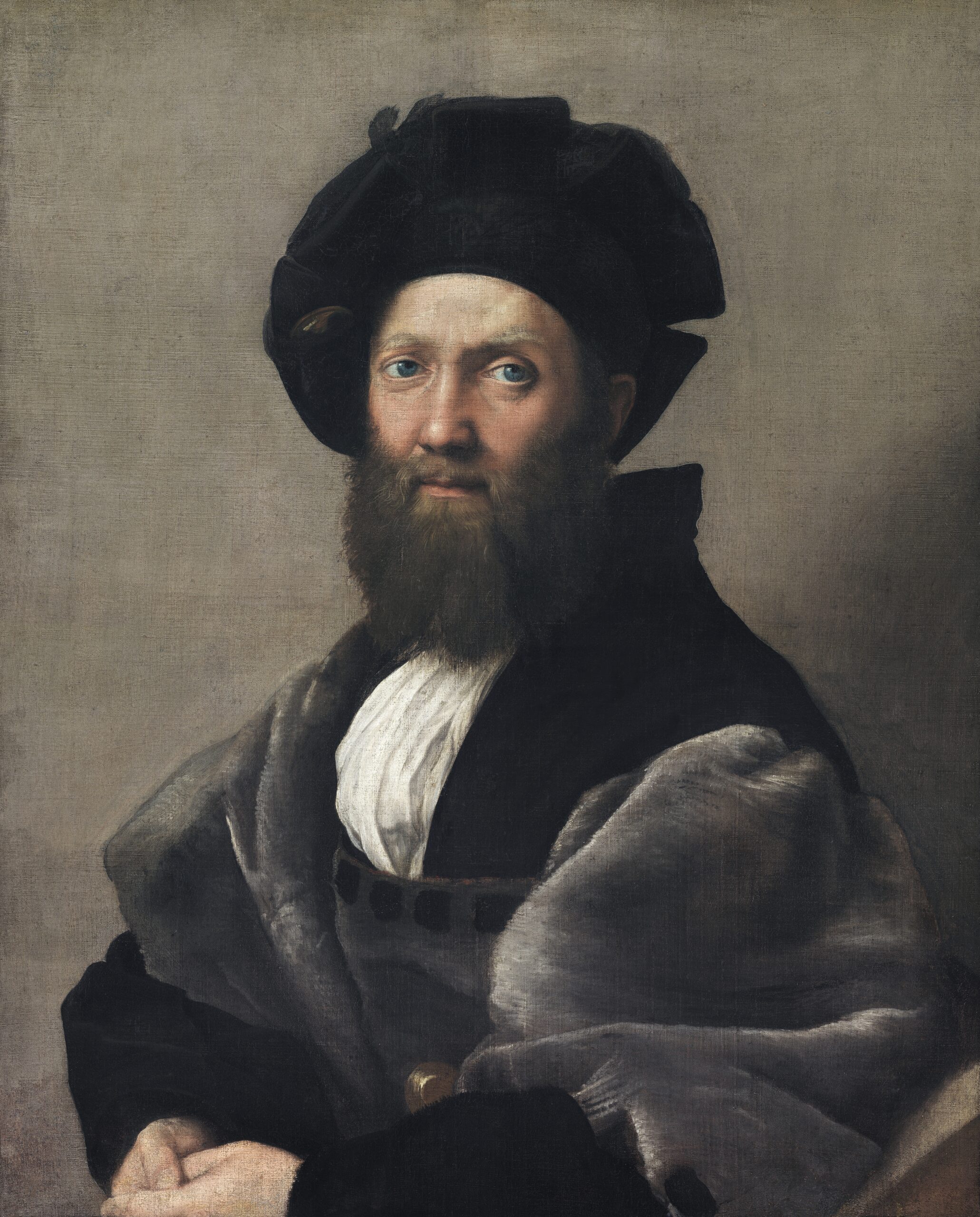
In 1843, Bavarian scholar Otto Witzelman documented one of the earliest sustained Energy Mustering sessions while preparing to begin a manuscript.
According to his Preparatory Notes, Witzelman spent three days gathering strength through a regimen of stretching, tea drinking, sighing, window observation, and periodically arranging his writing materials.
Throughout the process, he assured colleagues that he was “nearly ready.”
Witzelman’s primary contribution was distinguishing preparation from inactivity. He argued that a task could remain under active consideration even when no externally visible work had begun, an idea that later became the basis of Pre-Task Readiness.
On the third evening, Witzelman finally sat at his desk and sharpened a quill. He then determined that beginning so late in the day would be irresponsible.
The manuscript was rescheduled for the following morning.
The manuscript has never been located.
His preparatory notes survive.