
For many beginners, loitering appears deceptively simple.
You stand somewhere.
Then continue standing there.
However, experienced practitioners understand that successful loitering requires subtle movement, social awareness, and the ability to appear vaguely occupied while accomplishing absolutely nothing.
The following techniques have been passed down through generations of public idlers and should be approached with the seriousness they almost certainly do not deserve.
Difficulty: Beginner
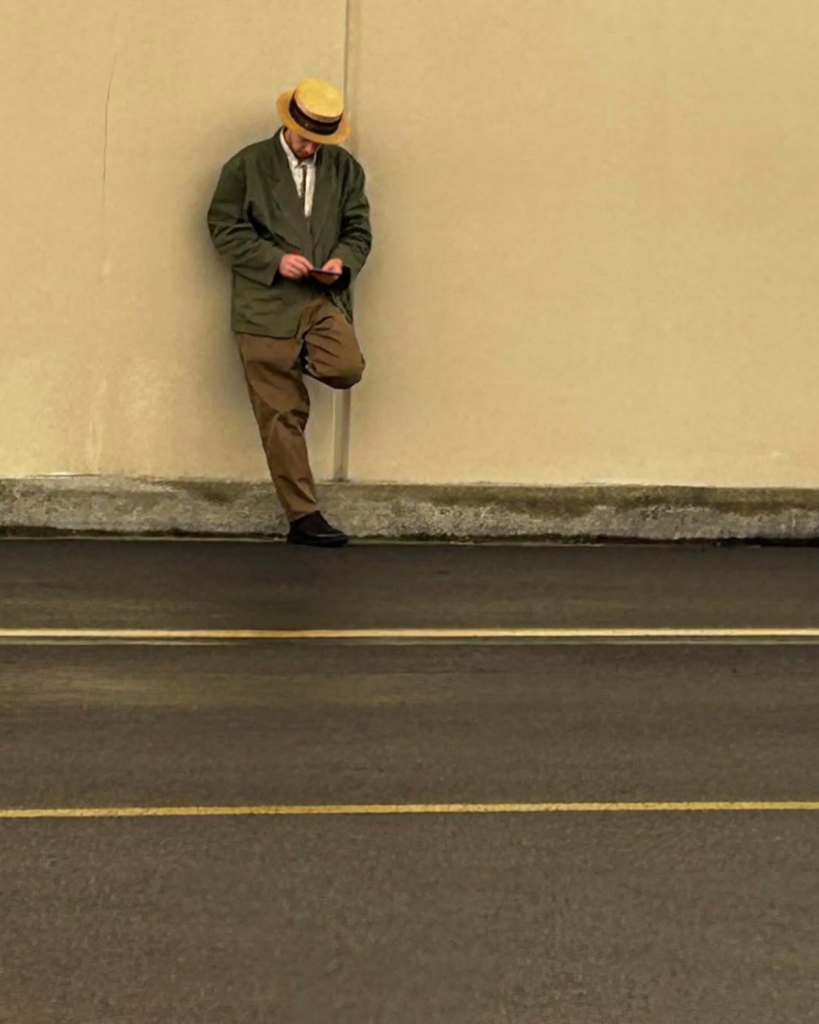
The Casual Lean is often the first technique taught to new loiterers.
By resting lightly against a wall, railing, or other public structure, the practitioner communicates an important message:
“I might leave at any moment.”
In reality, no departure is planned.
The strength of this technique lies in its ambiguity. You are not standing around. You are simply leaning while deciding something.
What that something is remains unknown.
Even to you.
Difficulty: Intermediate
Sometimes circumstances require motion.
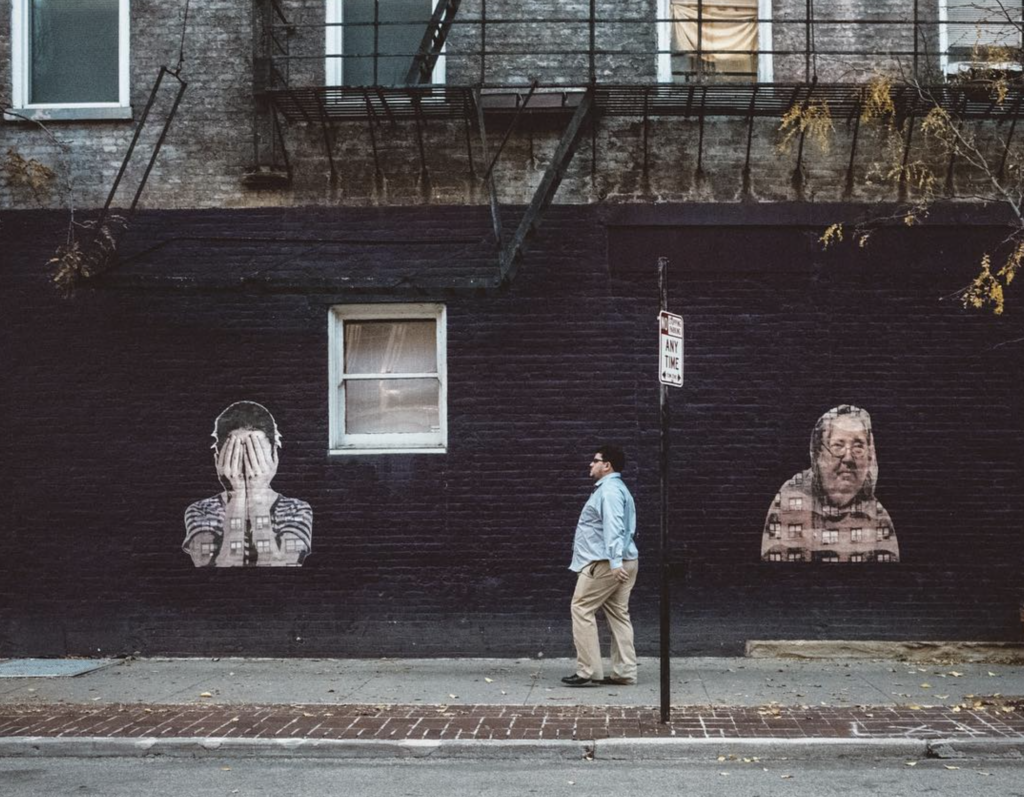
The Slow Orbit involves walking in a small, repetitive circle around a fixed point while maintaining the overall spirit of remaining exactly where you are.
This technique is particularly effective when authority figures, security personnel, or overly curious individuals enter the area.
Observers will conclude that you are heading somewhere.
You are not.
You are simply taking the scenic route to nowhere.
Difficulty: Beginner
Perhaps the most important modern loitering technique.
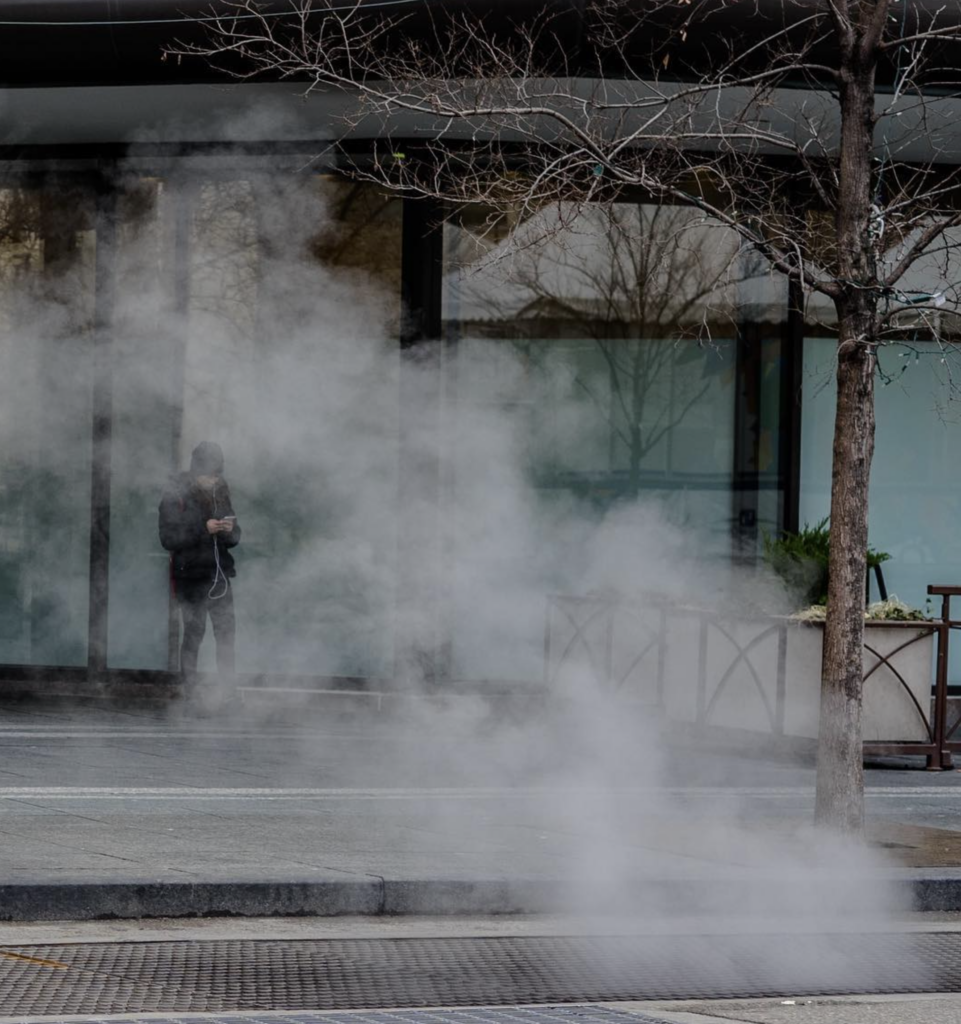
The Phone Shield transforms inactivity into something that appears productive.
To perform:
No scrolling is required.
No messages need to be sent.
The device itself functions as camouflage.
From a distance, it appears you are handling urgent business.
In reality, you may be looking at the weather, checking the same notification for the fourth time, or contemplating lunch.
Difficulty: Intermediate
Standing in one location for an extended period can attract attention.
The Parking Lot Migration solves this problem by relocating approximately 12 feet every 20 minutes.
This creates the impression of movement while preserving the overall objective of remaining nowhere in particular.
Technically, you are no longer standing around.
You are standing around somewhere else.

Difficulty: Advanced
The Window Gaze requires discipline.
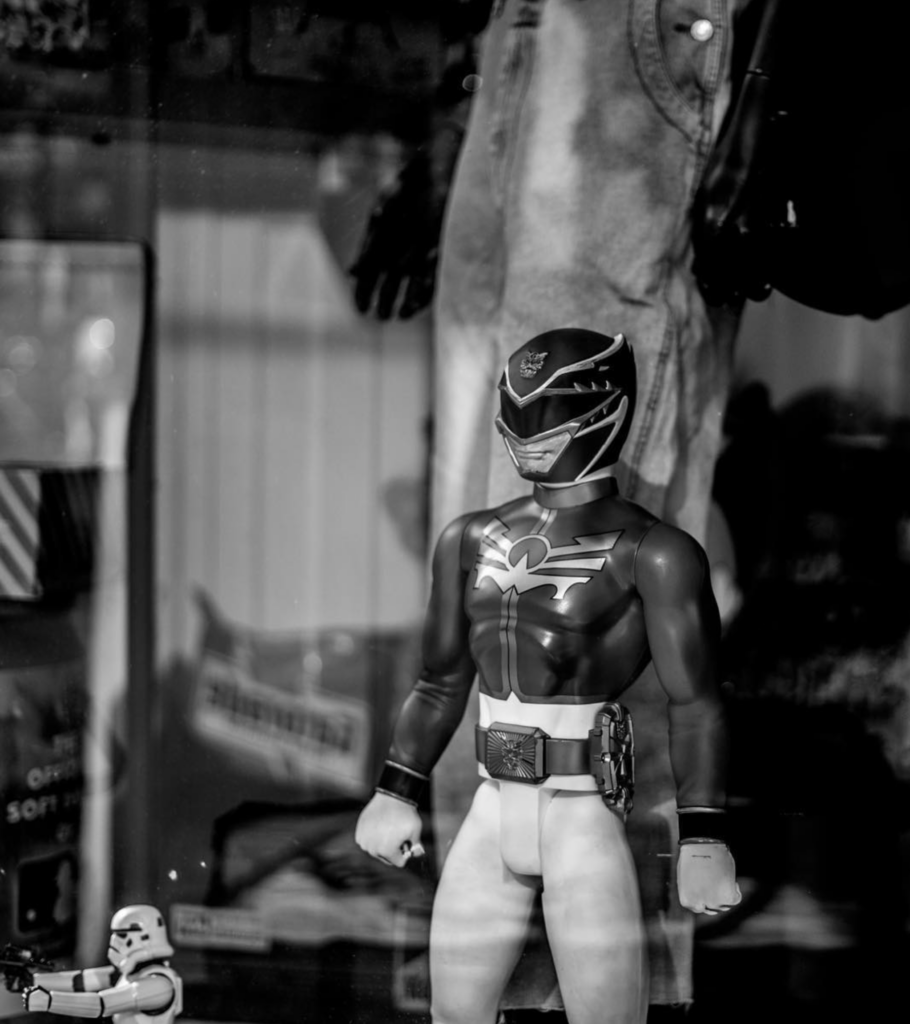
The practitioner stands outside a business and studies merchandise they have absolutely no intention of purchasing.
The goal is not shopping.
The goal is appearing as though shopping remains a possibility.
Elite practitioners can maintain eye contact with a single item for several minutes without entering the building.
Researchers remain divided on whether this qualifies as browsing.
Loitering is one of humanity’s oldest public hobbies.
Long before productivity apps, side hustles, and personal branding, people simply occupied space and observed the world around them.
These techniques represent centuries of accumulated non-activity.
Practice responsibly.
And remember:
If anyone asks, you’re waiting for somebody.