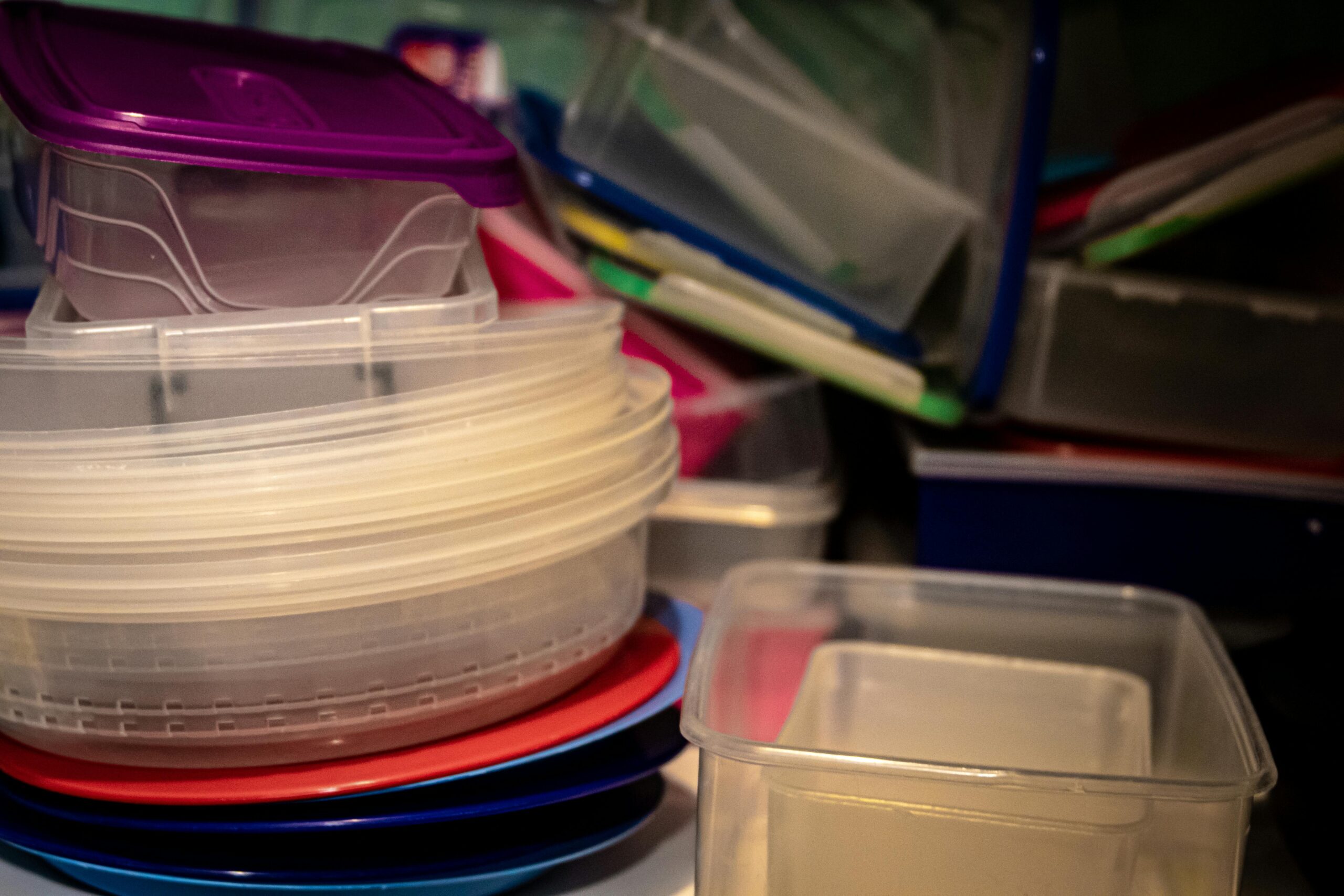
WHAT IT IS:
A deeply nostalgic and space-Consuming hobby where you collect every plastic tub, jar, and oddly shaped tin with the intention of “using it for something someday.” You won’t. But that’s not the point. The point is having them. Just in case society collapses and we all need to store soup, screws, or the concept of potential itself.
WHAT YOU'LL NEED:
PROS:
CONS:
PRO TIP: Label your containers with things you intend to store in them (e.g., “nuts,” “soups,” “spare hope”)—this will give your future self something to ignore later.
Difficulty Level: Low. Requires only the ability to rinse something “real quick” and place it somewhere that is not its original home.
Time Commitment: Minimal per container, infinite in aggregate. Time expands each time you say, “This one’s actually a good size.”
Skill Transferability: Moderate. Useful for hoarding, Tetris, speculative logistics, and convincing yourself you’re environmentally responsible.
Cost Over Time: Negative at first (free containers). Becomes positive once you buy a special bin for the containers.
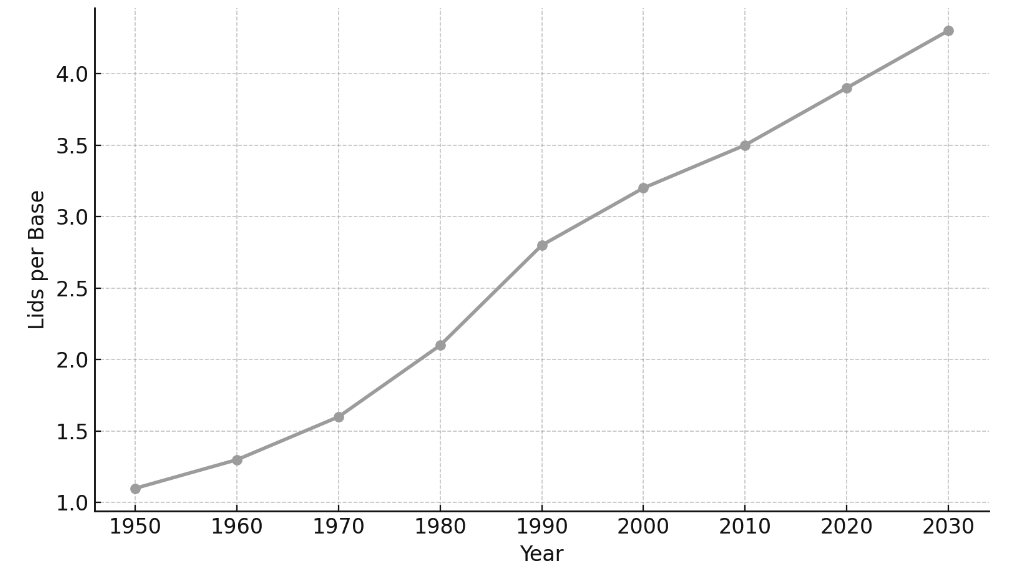
n 1953, homemaker Gladys “The Keeper” Wendt of Des Moines, Iowa, became the first person to publicly declare, “You can’t throw that away — it’s a perfectly good margarine tub.”
Historians now refer to this moment as The Great Preservation Awakening.
However, earlier evidence dates back to 14th-century monasteries, where monks were found carefully washing clay pots “for future beans.”
By the 1970s, American container saving had evolved into a full-blown folk religion, passed down through the maternal line, often accompanied by the sacred chant: “Don’t use that one, it’s for the good leftovers.”
Today, container saving remains a thriving domestic ritual, its practitioners known for their reflexive defense of the phrase “You never know.”