Auto-Correct Surrendering is the lazy hobby of abandoning precision mid-search and allowing Google to finish your thoughts for you.
You begin with intention.
Your thumbs betray you.
You notice the typo.
You briefly consider fixing it.
Then you think, “It knows what I mean.”
And you let it.
This is not illiteracy.
This is delegation.
If a search feels especially wrong but still produces usable results, resist the urge to correct it.
Low, with occasional spikes of accidental chaos.
Requires only the ability to notice an error and choose not to intervene.
Per session: 2–6 seconds
Extended sessions may occur when:
Total time impact ranges from negligible to entirely redirected afternoon
Moderate.
Practitioners often develop:
May transfer to:
Financial: None
Cognitive: Slight drift in standards
Informational: Occasional miseducation
Hidden cost:
Hidden benefit:
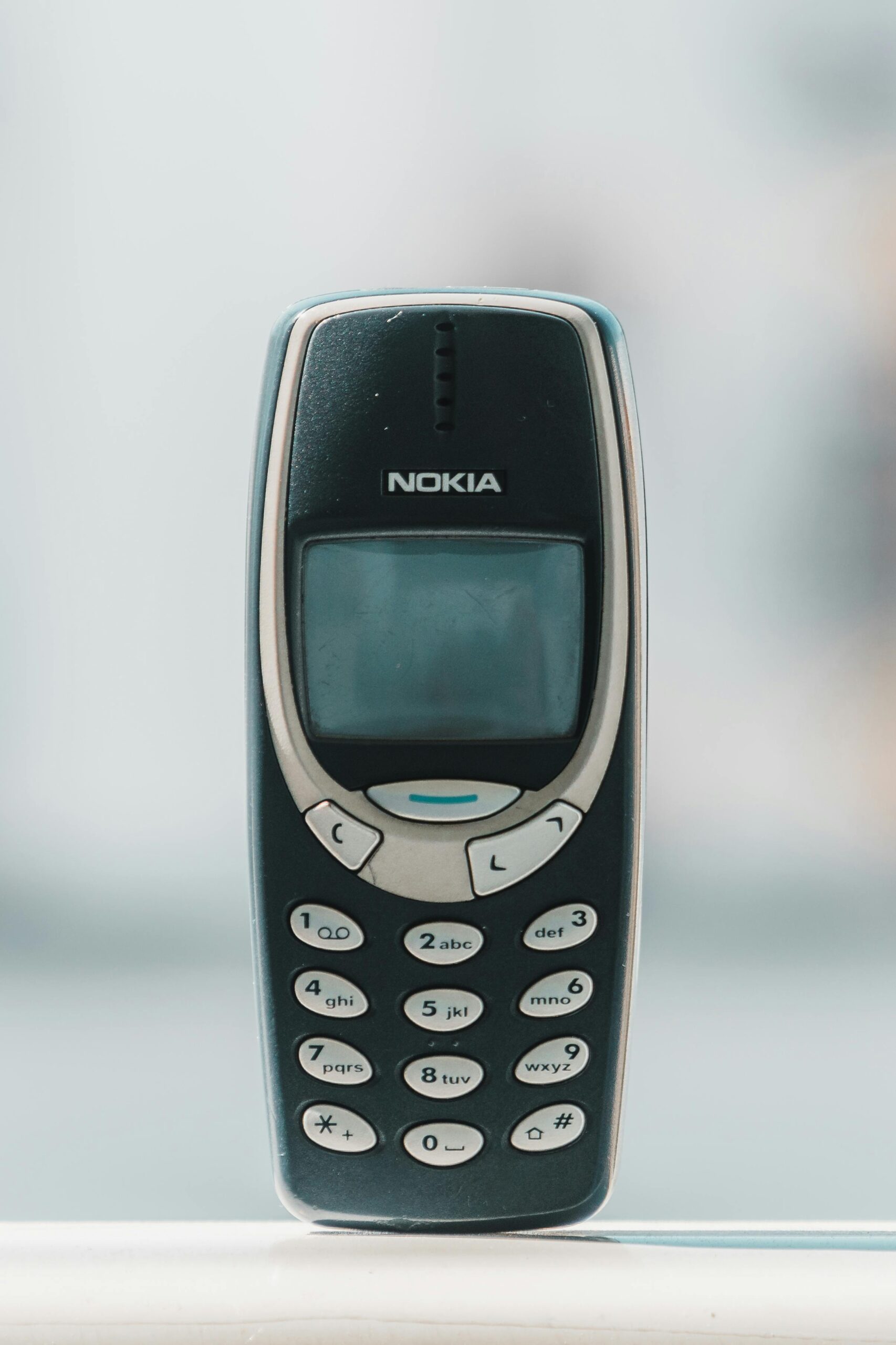
Early forms of Auto-Correct Surrendering can be traced to the predictive text systems of the late 1990s, most notably T9 predictive text (short for “Text on 9 Keys”), which encouraged users to trust that the correct word would emerge from a limited number of key presses.
By the early 2010s, with the widespread adoption of smartphones and increasingly confident auto-correction systems, users began reporting a subtle behavioral shift: a growing willingness to proceed despite visible inaccuracy.
This marked the transition from correction to cooperation.
Modern practitioners no longer view typographical errors as mistakes, but as opening bids in a negotiation between human intent and machine interpretation.
The introduction of Google’s “Did you mean—” feature further formalized the practice, providing external validation that the original attempt was close enough to proceed.
Today, Auto-Correct Surrendering is considered a fully matured pastime, with most sessions occurring unconsciously and without formal acknowledgment.